


Hormones Image

Balance Your Hormones, Boost Your Well-being

Hormones are powerful chemical messengers in the body that play a crucial role in maintaining overall health and well-being. Produced by the endocrine glands, hormones travel through the bloodstream to regulate a wide range of bodily functions, including growth, metabolism, mood, reproduction, and stress response. Each hormone has a unique function, and even a small imbalance can affect physical and mental health.

Understanding hormones is essential because they influence energy levels, sleep patterns, weight management, and emotional stability. From insulin controlling blood sugar to thyroid hormones managing metabolism, and sex hormones like estrogen and testosterone shaping reproductive health, hormones are central to life’s processes. Maintaining hormonal balance through a healthy lifestyle, proper nutrition, stress management, and regular medical check-ups can help support optimal body function. In this article, we explore the types, roles, and importance of hormones for human health.

Get Started Now
Download Guide
Find Out How

What Are Hormones?

Hormones are natural chemical messengers produced by the body that help regulate and coordinate various functions essential for health and survival. Secreted by specialized glands in the endocrine system, hormones travel through the bloodstream to target organs and tissues, where they trigger specific actions. These chemical signals are vital for controlling processes such as growth, metabolism, mood, immune response, sleep, and reproduction. Unlike other body chemicals, hormones work in very small amounts but have a significant impact on overall well-being.

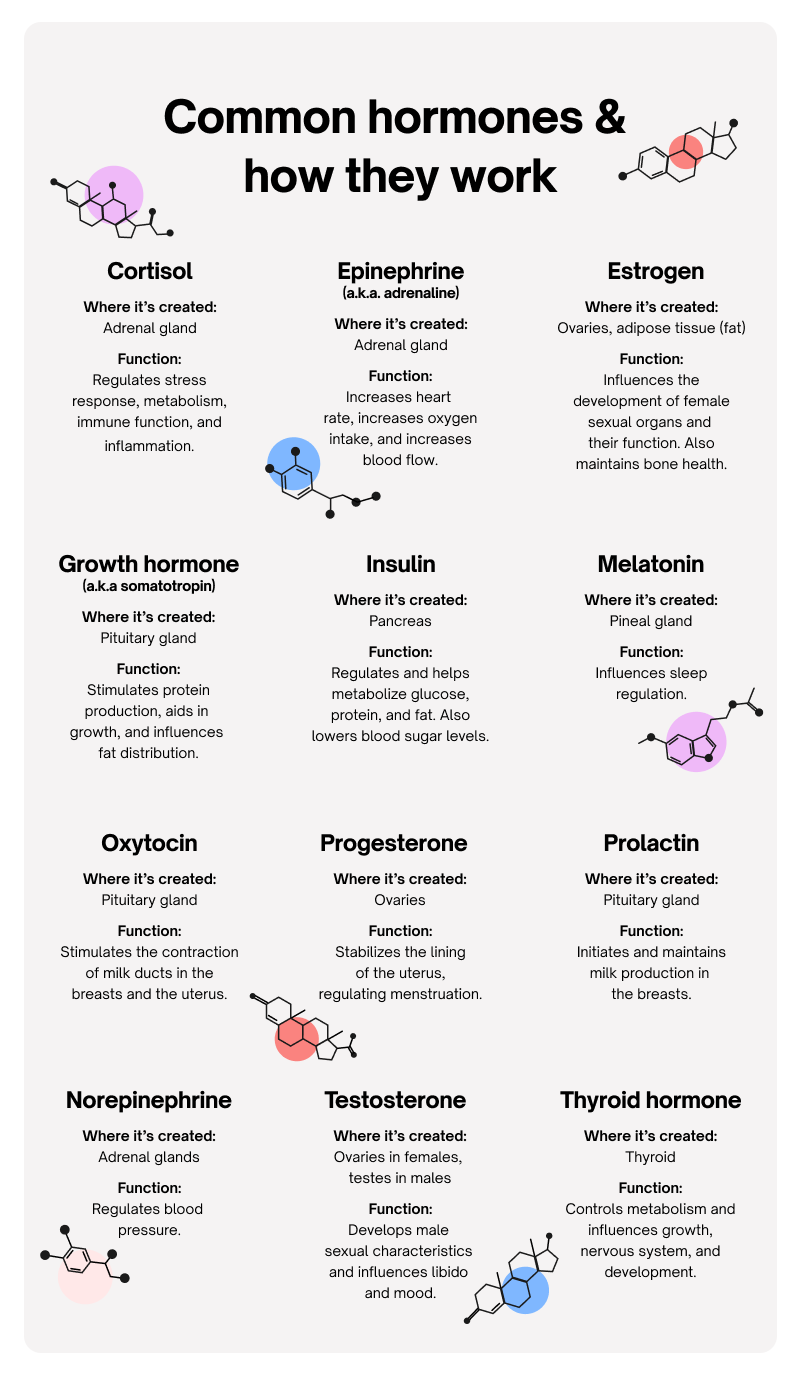
Common hormones include insulin, which regulates blood sugar levels; thyroid hormones, which control metabolism; cortisol, which manages stress response; and sex hormones like estrogen and testosterone, which influence reproductive health and secondary sexual characteristics. Hormones do not work in isolation; they function as part of a delicate balance in the body, ensuring that all systems communicate effectively.

Any imbalance in hormone levels can lead to issues such as fatigue, weight changes, mood swings, or more serious health conditions. Understanding hormones and their roles is crucial for maintaining good health, and adopting lifestyle practices like proper nutrition, regular exercise, stress management, and medical check-ups can support optimal hormonal balance. By learning about hormones, we gain insight into the intricate mechanisms that keep the body functioning smoothly and efficiently.

Hormones-web

How Hormones Work in the Body

Hormones are essential chemical messengers that regulate and coordinate numerous functions in the body, ensuring proper communication between organs and tissues. Produced by glands in the endocrine system, hormones are released directly into the bloodstream, where they travel to specific target cells. Once they reach their target, hormones bind to specialized receptors, triggering a range of physiological responses.

This process allows hormones to control vital functions such as metabolism, growth, reproduction, mood, and the body’s response to stress. For example, insulin helps regulate blood sugar levels by signaling cells to absorb glucose, while thyroid hormones manage the body’s metabolic rate and energy production. Sex hormones like estrogen and testosterone influence reproductive health and secondary sexual characteristics, and adrenal hormones, including cortisol and adrenaline, help the body respond to stress.

The delicate balance of hormones is crucial; too much or too little of a hormone can disrupt bodily functions, leading to fatigue, mood changes, weight fluctuations, or other health issues. Maintaining healthy hormone levels through proper nutrition, regular exercise, stress management, and routine medical check-ups supports overall well-being. Understanding how hormones work provides insight into the complex communication system that keeps the body functioning efficiently and harmoniously.

Hormones-web

Types of Hormones and Their Roles

Hormones are diverse chemical messengers, each with a unique function that helps regulate critical processes in the body. Understanding the types of hormones and their roles is essential for maintaining optimal health, as each hormone contributes to overall physical and mental well-being. Below is a detailed look at the main types of hormones and the roles they play:


1. Growth Hormones (GH): Produced by the pituitary gland, growth hormones are responsible for stimulating growth, cell reproduction, and tissue repair. They are essential for proper development in children and adolescents and help maintain muscle mass and bone density in adults.


2. Thyroid Hormones (T3 and T4): Secreted by the thyroid gland, these hormones regulate metabolism, energy production, and body temperature. They play a crucial role in weight management, heart function, and overall energy levels.min C.


3. Sex Hormones (Estrogen, Progesterone, Testosterone): Produced by the ovaries, testes, and adrenal glands, sex hormones regulate reproductive health, sexual development, fertility, and secondary sexual characteristics such as body hair and voice changes.


4. Adrenal Hormones (Cortisol, Adrenaline): Secreted by the adrenal glands, these hormones help the body respond to stress, regulate blood pressure, and control inflammation. Cortisol also influences metabolism and immune function.


5. Pancreatic Hormones (Insulin, Glucagon): These hormones regulate blood sugar levels, ensuring that the body has a steady supply of energy. Insulin lowers blood sugar, while glucagon raises it when needed.


6. Melatonin: Produced by the pineal gland, melatonin regulates sleep-wake cycles, supporting healthy sleep patterns and overall circadian rhythm.


Each hormone plays a vital role in maintaining balance within the body. Any disruption in hormone levels can lead to health problems, making it essential to understand and support hormonal health through proper lifestyle habits, nutrition, and medical guidance.

Signs of Hormone Imbalance

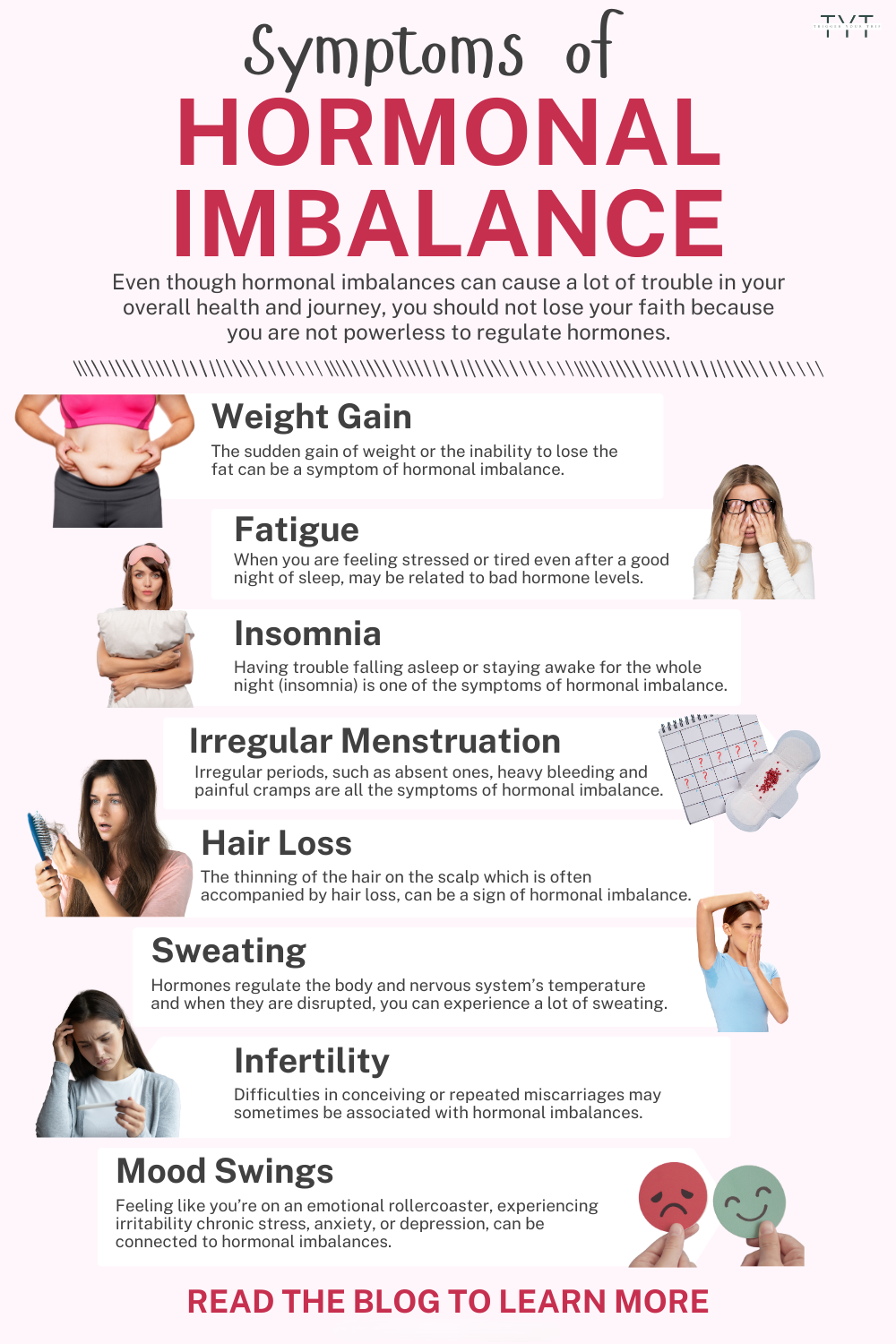
Hormones are essential for regulating numerous functions in the body, and even small changes in their levels can significantly impact overall health. When hormone levels are out of balance, the body sends clear signals indicating that something is wrong. Recognizing the signs of hormone imbalance is crucial for maintaining well-being and preventing long-term health issues. Here are some common signs and symptoms:

1. Fatigue and Low Energy:
Hormone imbalances, such as low thyroid or adrenal hormones, can lead to persistent tiredness and difficulty completing daily tasks.

2. Weight Fluctuations:
Unexplained weight gain or loss may indicate imbalances in thyroid hormones, insulin, or sex hormones like estrogen and testosterone.

3. Mood Swings and Irritability: Hormones significantly influence brain chemistry. Imbalances can cause anxiety, depression, or frequent mood swings.

4. Sleep Disturbances: Cortisol and melatonin imbalances can disrupt sleep patterns, leading to insomnia or poor-quality sleep.

5. Changes in Skin and Hair: Dry skin, hair thinning, or hair loss may be related to thyroid, adrenal, or sex hormone imbalances.

6. Reproductive and Sexual Issues: Irregular periods, reduced libido, or fertility problems can indicate imbalances in sex hormones.

7. Digestive Problems: Hormone imbalances, particularly involving insulin or cortisol, can affect digestion and appetite regulation.

Monitoring these signs and seeking medical advice can help identify hormone imbalances early. Maintaining hormonal balance through proper nutrition, exercise, stress management, and routine health check-ups supports optimal body function and overall health.

Hormones-web

Common Causes of Hormonal Imbalance

Hormones are vital chemical messengers that regulate nearly every function in the body, from metabolism and growth to mood and reproduction. When hormone levels are disrupted, it can lead to a range of physical and mental health issues. Understanding the common causes of hormonal imbalance is essential for maintaining optimal health and preventing long-term complications. Here are the primary factors that can disrupt hormone levels:

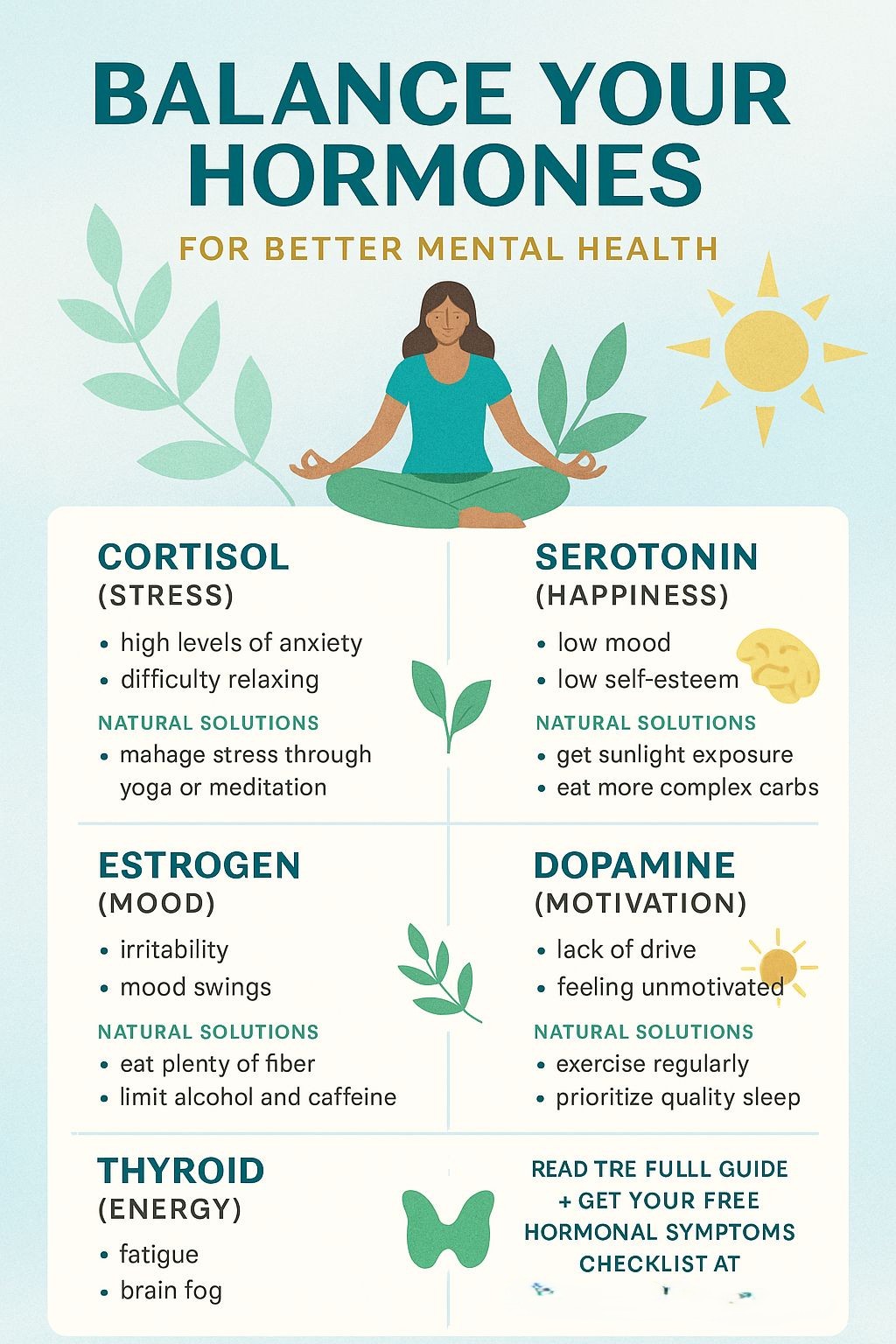
1. Stress: Chronic stress increases cortisol production, which can interfere with the balance of other hormones like insulin, thyroid hormones, and sex hormones.

2. Poor Diet and Nutrition: Consuming processed foods, excessive sugar, or lacking essential nutrients can negatively impact hormone production and function.

3. Aging: Natural aging processes can reduce hormone production, particularly sex hormones like estrogen, progesterone, and testosterone.

4. Obesity and Weight Issues: Excess body fat can alter hormone levels, affecting insulin, leptin, and sex hormones, leading to metabolic and reproductive problems.

5. Medical Conditions: Disorders like thyroid disease, diabetes, polycystic ovary syndrome (PCOS), and adrenal dysfunction can disrupt hormone balance.

6. Environmental Factors: Exposure to endocrine-disrupting chemicals found in plastics, pesticides, and personal care products can interfere with normal hormone activity.

7. Sleep Deprivation: Lack of quality sleep can affect cortisol, melatonin, and growth hormone levels, impacting overall health.

Addressing these causes through a healthy lifestyle, balanced diet, stress management, and regular medical check-ups is key to supporting hormonal balance and overall well-being.

How to Maintain Healthy Hormones

Hormones are essential chemical messengers that regulate nearly every function in the body, from metabolism and growth to mood, sleep, and reproductive health. Maintaining healthy hormones is crucial for overall well-being, energy, and longevity. By adopting lifestyle habits that support hormone balance, individuals can prevent imbalances and improve their quality of life. Here are effective strategies to maintain healthy hormones:

Eat a Balanced Diet: Consuming nutrient-rich foods, including fruits, vegetables, whole grains, healthy fats, and lean proteins, provides essential vitamins and minerals that support hormone production and function.

Exercise Regularly: Engaging in regular physical activity helps regulate insulin levels, reduce stress hormones like cortisol, and support healthy metabolism and hormone balance.

Manage Stress: Chronic stress can disrupt hormone levels. Techniques like meditation, deep breathing, yoga, and mindfulness can help lower cortisol and promote hormonal balance.

Get Quality Sleep: Adequate sleep is essential for regulating hormones such as melatonin, growth hormone, and cortisol. Aim for 7–9 hours of uninterrupted sleep each night.

Maintain a Healthy Weight: Body fat influences hormone production. Achieving and maintaining a healthy weight through diet and exercise supports balanced hormone levels.

Limit Exposure to Toxins: Reduce contact with endocrine-disrupting chemicals in plastics, pesticides, and personal care products to protect hormone health.

Regular Medical Check-Ups: Routine health screenings can detect early signs of hormonal imbalances, allowing timely intervention.

By following these practices, individuals can naturally support their hormonal health, improve energy, mood, and overall body function, and reduce the risk of long-term health complications.

FAQs About Hormones

1. What are hormones?

Hormones are chemical messengers produced by glands in the endocrine system that travel through the bloodstream to regulate and coordinate body functions such as metabolism, growth, mood, and reproduction.


2. Why are hormones important?

Hormones are crucial because they control nearly every process in the body, including energy production, stress response, reproductive health, immune function, and sleep-wake cycles.


3. Which glands produce hormones?

Hormones are produced by endocrine glands such as the pituitary, thyroid, adrenal glands, pancreas, ovaries, testes, and pineal gland. Each gland releases specific hormones that target particular organs.


4. What are the main types of hormones?

The main types include growth hormones, thyroid hormones, sex hormones (estrogen, progesterone, testosterone), adrenal hormones (cortisol, adrenaline), pancreatic hormones (insulin, glucagon), and melatonin.


5. How do hormones work in the body?

Hormones travel through the bloodstream and bind to receptors on target cells, triggering specific physiological responses such as regulating metabolism, growth, mood, or reproduction.


6. What is a hormone imbalance?

A hormone imbalance occurs when hormone levels are too high or too low, leading to symptoms such as fatigue, weight changes, mood swings, sleep disturbances, and reproductive issues.


7. What causes hormone imbalances?

Common causes include stress, poor diet, aging, obesity, medical conditions (like thyroid disorders or diabetes), environmental toxins, and lack of sleep.


8. Can lifestyle affect hormones?

Yes, diet, exercise, sleep, stress management, and toxin exposure all significantly impact hormone levels and overall hormonal health.


9. How does stress affect hormones?

Chronic stress increases cortisol production, which can disrupt insulin, thyroid, and sex hormone balance, leading to fatigue, weight gain, and mood changes.


10. How do hormones affect weight?

Hormones like thyroid hormones, insulin, leptin, and cortisol regulate metabolism, appetite, and fat storage, so imbalances can lead to weight gain or loss.


11. Which hormones control sleep?

Melatonin regulates sleep-wake cycles, while cortisol influences energy levels and alertness. Imbalances in these hormones can cause insomnia or poor sleep quality.


12. How do sex hormones affect the body?

Estrogen, progesterone, and testosterone control reproductive health, fertility, sexual development, and secondary sexual characteristics such as hair growth and voice changes.


13. What hormones control metabolism?

Thyroid hormones (T3 and T4) and insulin are primarily responsible for regulating metabolism, energy production, and blood sugar levels.


14. Can hormone levels be tested?

Yes, blood, saliva, and urine tests can measure hormone levels, helping identify imbalances and guide treatment or lifestyle adjustments.


15. How can I naturally balance hormones?

A balanced diet, regular exercise, stress reduction, quality sleep, maintaining a healthy weight, and avoiding toxins all support natural hormone balance.


16. Do hormones affect mood?

Yes, hormones like cortisol, estrogen, progesterone, and serotonin directly influence mood, emotional stability, and mental health.


17. How does aging affect hormones?

Aging can reduce hormone production, particularly sex hormones like estrogen, progesterone, and testosterone, affecting energy, metabolism, and reproductive health.


18. Can environmental toxins affect hormones?

Yes, endocrine-disrupting chemicals in plastics, pesticides, and personal care products can interfere with normal hormone function and lead to imbalances.


19. What are the symptoms of thyroid hormone imbalance?

Symptoms include fatigue, weight changes, hair thinning, dry skin, mood swings, and temperature sensitivity due to hyperthyroidism or hypothyroidism.


20. How does insulin affect the body?

Insulin regulates blood sugar by helping cells absorb glucose for energy. Imbalances can lead to diabetes or hypoglycemia.